

Do you want to expand your business without depending entirely on paid advertising? Have you heard of organic marketing but are unsure what it entails or how it may help your company? In this blog article, we’ll define organic marketing and how it may help businesses of all sizes flourish.
What exactly is Organic Marketing?
The use of non-paid marketing strategies to attract and engage your target audience is referred to as organic marketing. Content marketing, social media marketing, search engine optimization (SEO), influencer marketing, email marketing, referral marketing, and word-of-mouth marketing are examples of these strategies.

Organic marketing, as opposed to paid promotion, focuses on establishing connections and providing value to your target audience to create long-term development and sustainability.
How Can Organic Marketing Aid Business Development?
Organic marketing may benefit firms in a variety of ways, including:

Building brand awareness
You may boost your brand’s exposure and reach a bigger audience by generating interesting and relevant content, connecting with your target audience on social media, and optimizing your website for search engines.
Creating leads and sales
You may boost your chances of turning leads into paying customers by nurturing them through email marketing, referral marketing, and word-of-mouth marketing.
Increasing client retention and loyalty
You may boost client loyalty and retention by offering a great customer experience and creating strong connections with them, resulting in repeat business and positive word-of-mouth.
Creating leads and sales
You may boost your chances of turning leads into paying customers by nurturing them through email marketing, referral marketing, and word-of-mouth marketing.
Increasing client retention and loyalty
You may boost client loyalty and retention by offering a great customer experience and creating strong connections with them, resulting in repeat business and positive word-of-mouth.
Organic Marketing Types
Content Marketing
material marketing entails developing and disseminating valuable, relevant, and consistent material to attract and maintain a certain audience. Rather than pushing items or services, this sort of marketing focuses on delivering helpful information. Businesses may create leads and enhance sales by delivering excellent content that builds trust and credibility with their audience.

Blog articles, e-books, white papers, infographics, videos, and webinars are all examples of content marketing. The key to content marketing success is to create information that is both relevant and helpful to your target audience. You may build your brand as an expert in your field and generate a dedicated following of customers by providing high-quality content.
Social Media Marketing
Social media marketing entails leveraging social media platforms to communicate with and engage your target audience. This marketing strategy focuses on developing relationships with your target audience and establishing your brand as an authority in your sector. You may establish a following and raise brand recognition by generating and distributing content that is relevant to your target audience.

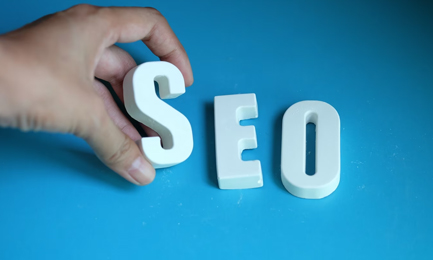
Search Engine Optimisation (SEO)
Influencer Marketing
Influencer Marketing entails collaborating with social media influencers to promote your brand or items to their followers. This style of marketing focuses on utilizing influencers’ reputations and reach to improve brand recognition and drive sales.

Email marketing
Email marketing is the use of email to communicate with your audience and promote your brand or products. This sort of marketing is centered on cultivating connections with your subscribers and providing them with relevant material and offers

Referral marketing
Referral marketing is an effective kind of organic marketing in which pleased consumers refer a product or service to their friends and family. Referrals can assist a company in generating new leads and consumers. According to a Nielsen survey, 92% of customers trust referrals from people they know, and 77% are more inclined to purchase a new product after hearing about it from friends or family.

Word-of-Mouth Marketing (WOMM)
Word-of-Mouth Marketing is a sort of organic marketing in which individuals exchange information about a product or service during informal discussions. WOMM is built on trust, and consumers trust recommendations from friends and family more than advertisements. According to an Ogilvy survey, 74% of consumers consider word-of-mouth to be a major driver in their purchase decisions.

Tips for an Effective Organic Marketing Strategy
Here are some pointers to help you develop an effective organic marketing plan for your company:

Define your target market
Understand who your ideal consumer is and what they want so you can produce content and marketing that speaks to them.
Produce valuable and timely content
Rather than pushing your products or services, concentrate on developing content that addresses your target audience’s issues and adds value.
Make use of social media
Engage with your target audience on social media, share your material, and establish relationships with your followers.
Improve your website's search engine optimization
Use SEO-recommended practices to increase the exposure of your website and help it rank higher in search engine results pages.
Collaborate with influential people
Collaborate with influencers in your niche to reach a broader audience and boost the awareness of your business.
Provide outstanding client service
To establish long-term client loyalty, focus on giving a great customer experience from pre-sale to post-sale.
Conclusion
Organic marketing may be a great tool for expanding your firm, raising brand recognition, and ensuring long-term sustainability. You may accomplish development without relying entirely on paid advertising by concentrating on producing value for your target audience, establishing relationships, and offering excellent customer experiences. Use the advice in this blog article to develop a successful organic marketing plan for your company and begin getting the results you desire.